
An Island Like No Other
Socotra is often described as one of the most extraordinary places on Earth. Located in the Arabian Sea between Yemen and the Horn of Africa, the island has been isolated for millions of years. That isolation has created a landscape and ecosystem unlike anywhere else in the world.
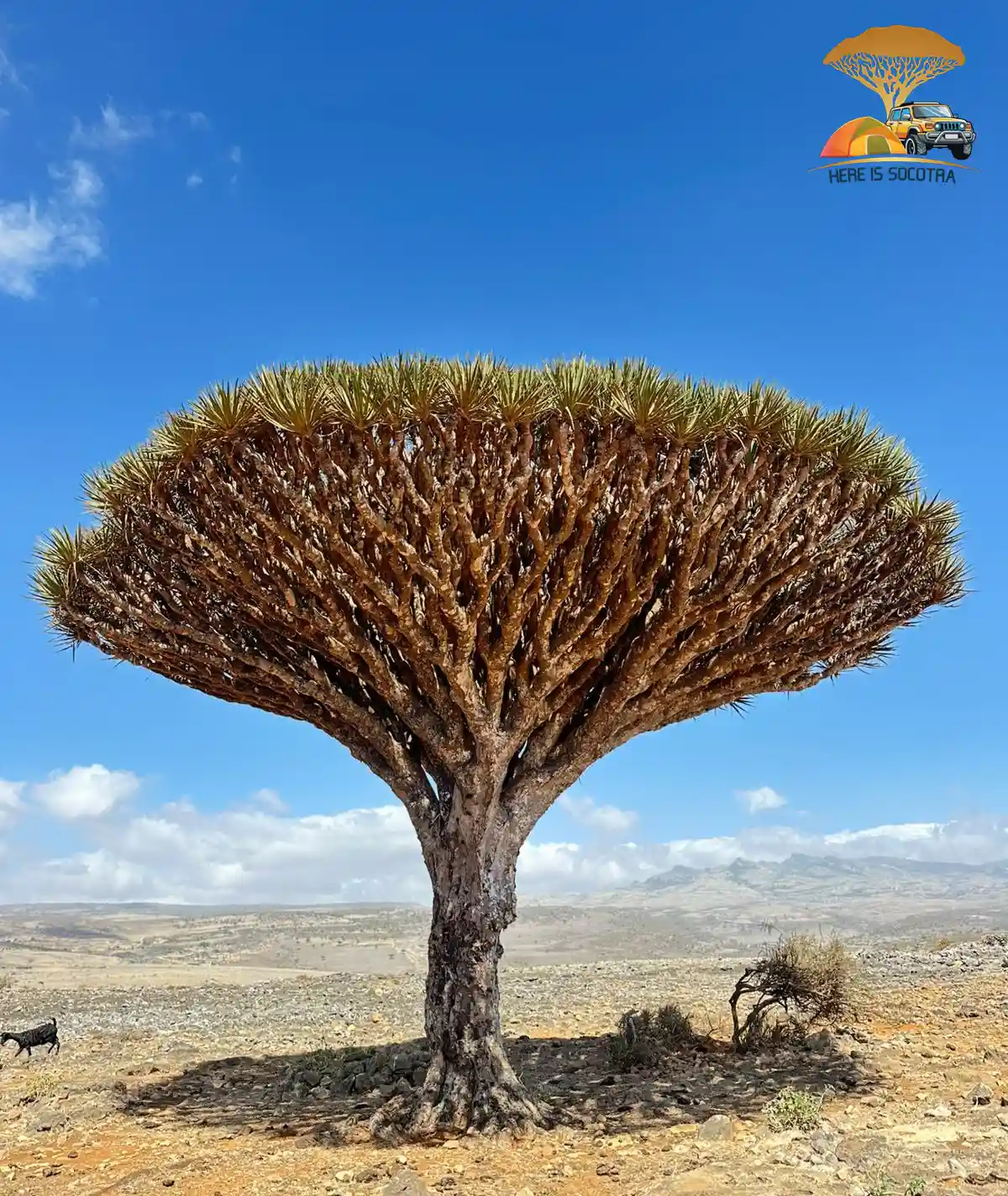
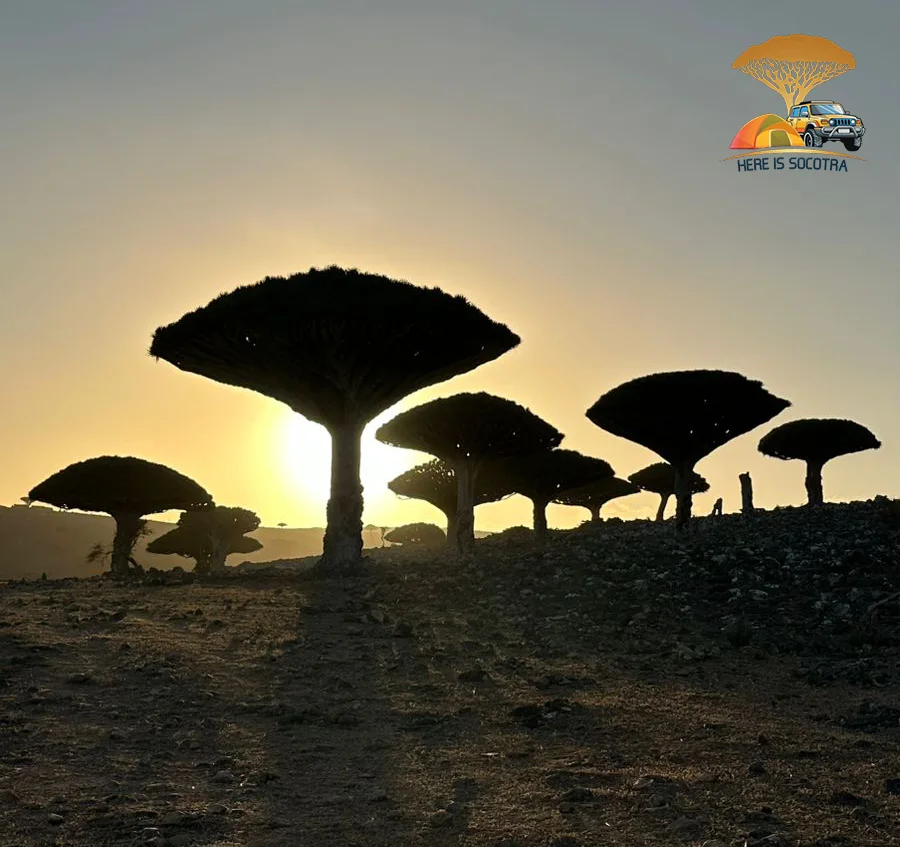
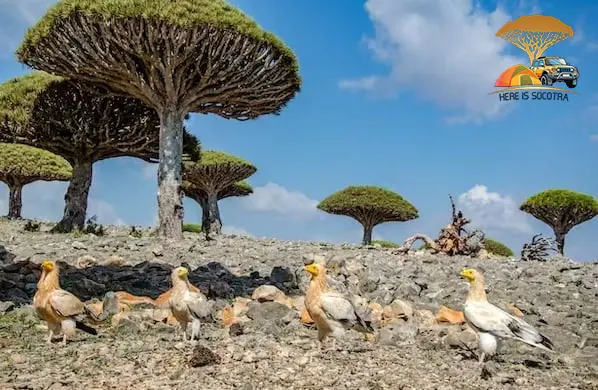
Nearly a third of the plant life found on Socotra exists nowhere else on Earth. The island’s most famous symbol—the dragon blood tree—looks almost prehistoric, with its umbrella-shaped canopy and deep red sap that has been used for centuries in medicine and dye.
Because of its incredible biodiversity, Socotra has been recognized as a UNESCO World Heritage Site and is sometimes called the “Galápagos of the Indian Ocean.”
But the island is not only remarkable for its plants and wildlife. It is also home to a unique culture, shaped by centuries of isolation and connection to the sea.
Name of the island
Socotra is the local name for this island, as mentioned by ancient historians. Researchers have delved into the origins of the name, which comes from the ancient Indian Sanskrit word meaning “island of happiness.”
Unique plants
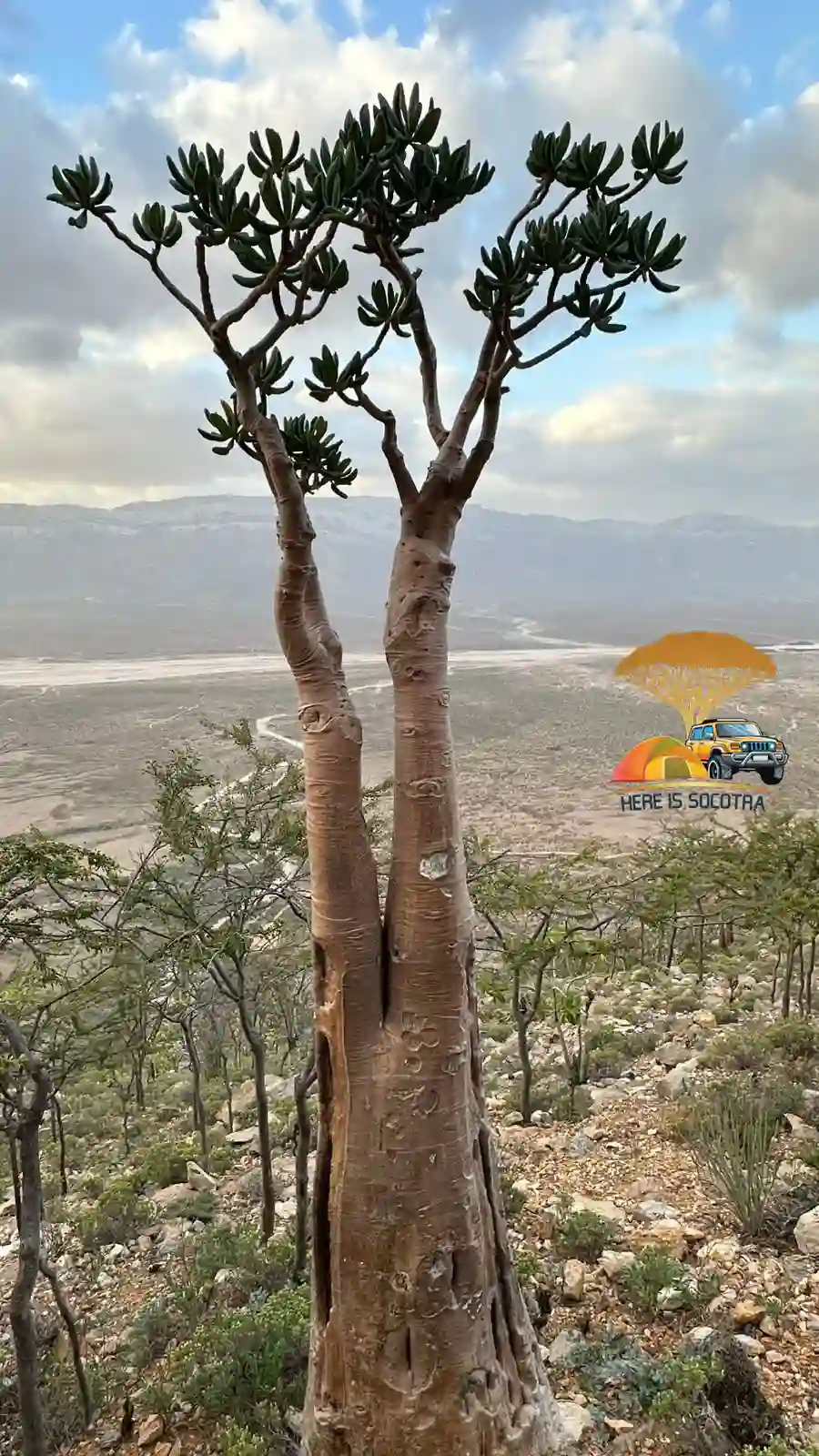
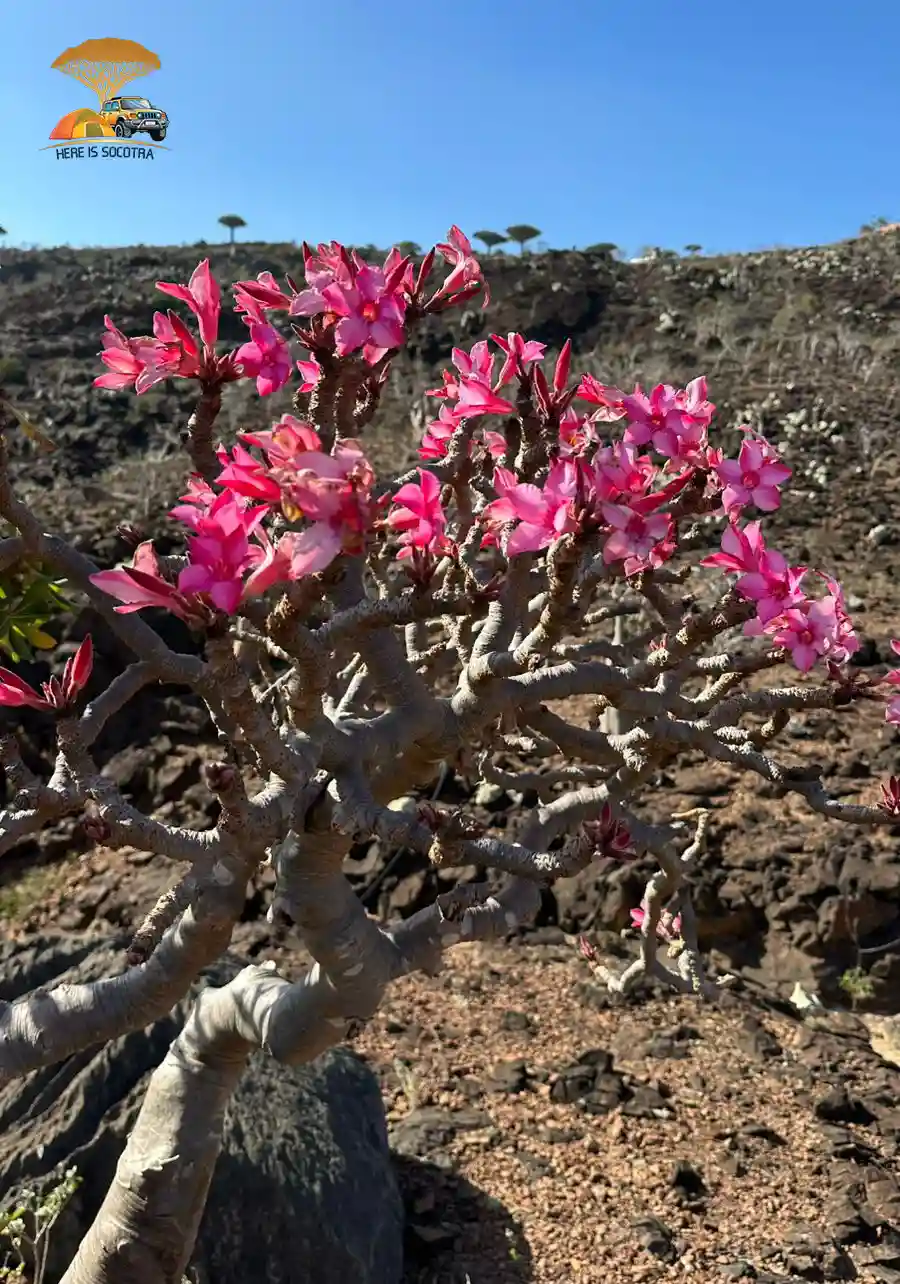
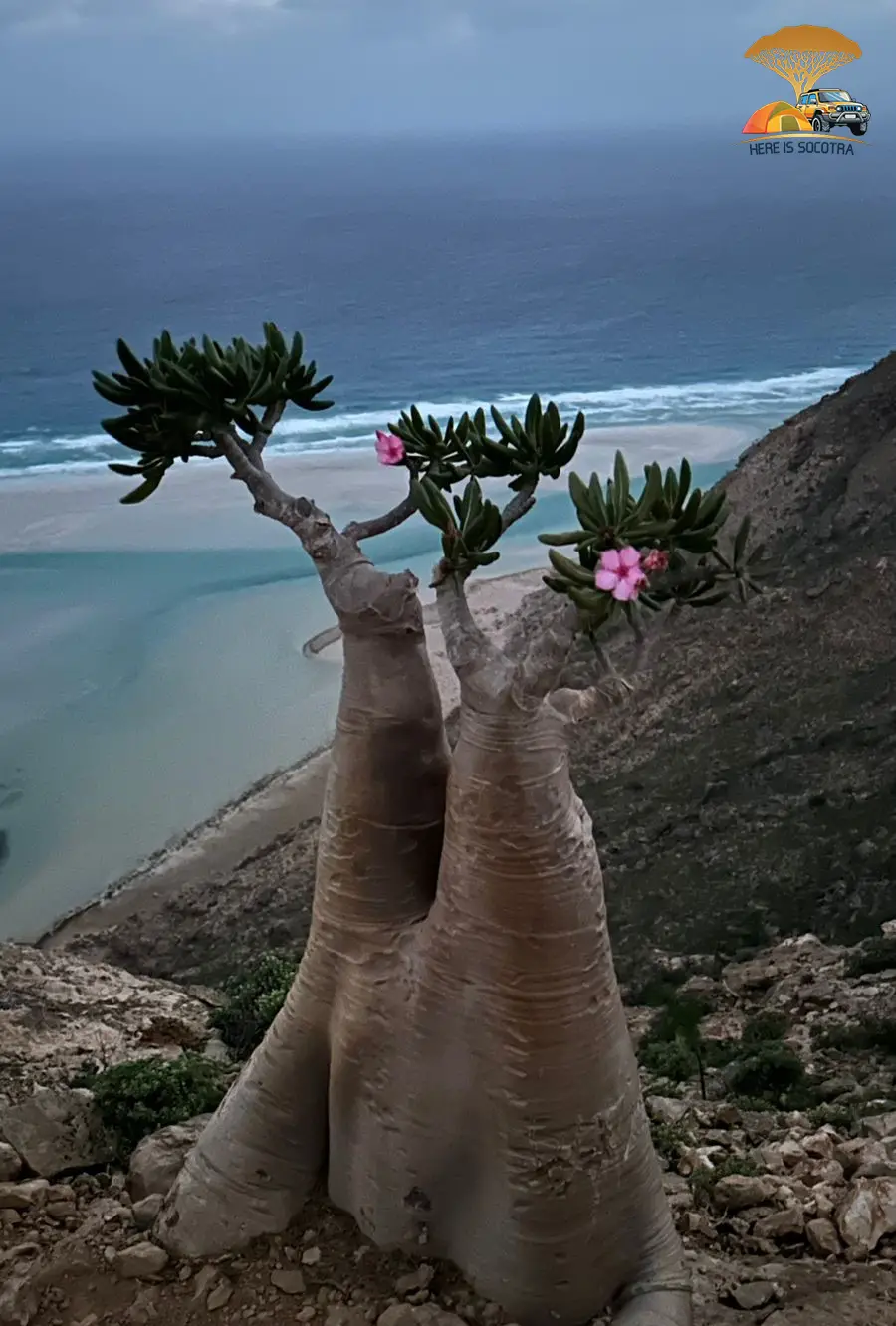
lSocotra is often described as the most alien-looking place on Earth, and much of that reputation comes from its incredible plant life. These include the Dragon’s Blood Tree (the island’s symbol), and the Socotra Frankincense Tree. Approximately 850 plant species have been recorded on the island, of which approximately 270 are endemic to the island and found nowhere else in the world.
Rare Animals
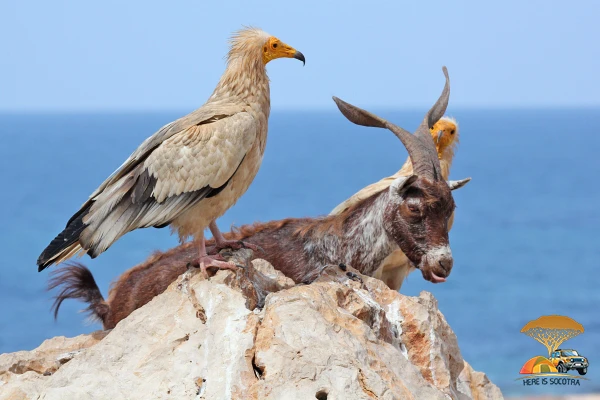
90% of the reptiles found here are found nowhere else, such as the Socotra Golden Lizard.
Amazing Birds
Socotra is a natural habitat for many birds, with six endemic bird species found nowhere else in the world. Among the most famous birds on the island are the Socotra Buzzard, the African Blackbird (Dafhan), the Pipit (Kaskas), the Warbler, and the extremely fearful and shy Socotra Warbler, in addition to seagulls, the Socotra Pelican, and others.
Stunning coral reefs
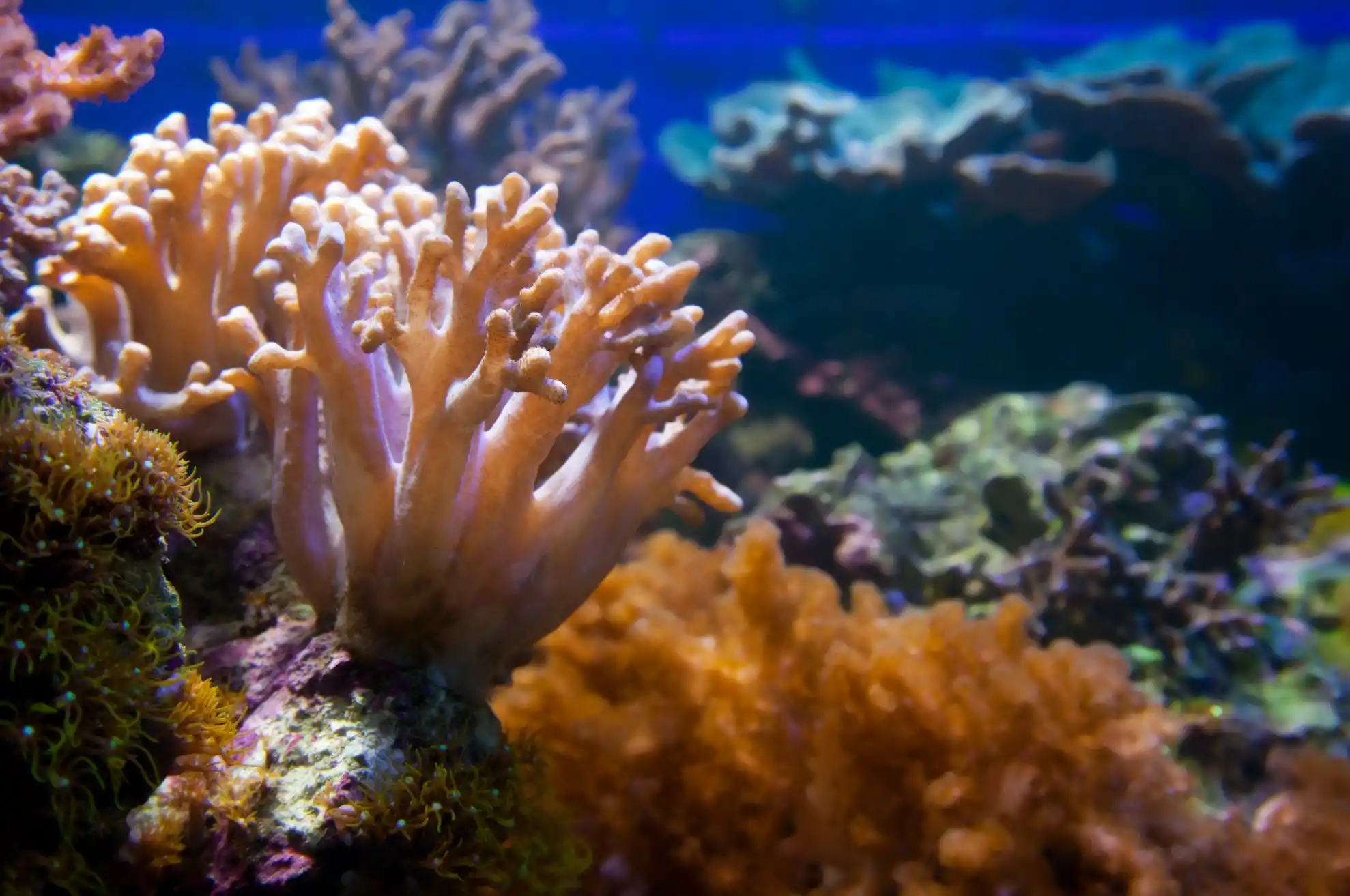
Clean, warm water supports vibrant coral reefs that are home to a wide variety of marine life, including tropical fish, rays, and sea turtles. There are also 352 species of reef-building coral.
Natural Landscapes
Lofty mountains:
There are several mountains, the most important of which are the Falaj Mountains to the east, whose highest peak is 640 meters, and the Qawl Mountains to the southwest.
Valleys
Socotra Island has a large number of valleys, which take various paths and directions depending on the surface influences. These include Wadi Danjan, Wadi Hashra, Wadi Daniya, Wadi Darab’a, and Wadi Tu’aq.